OMI_Logo_CMYK.jpg

REACH OUT TO US

We're here to help. Please choose one of the options below to get in touch with us!

OMI’s compressed air filters deliver clean compressed air and reduce equipment wear and tear.

A compressed air filter is a workhorse for pneumatic equipment. It removes water, moisture, dirt, and other contaminants from the compressed air flowing into your machines, helping stabilize air purity, protect downstream components, and maintain ISO‑aligned system performance.

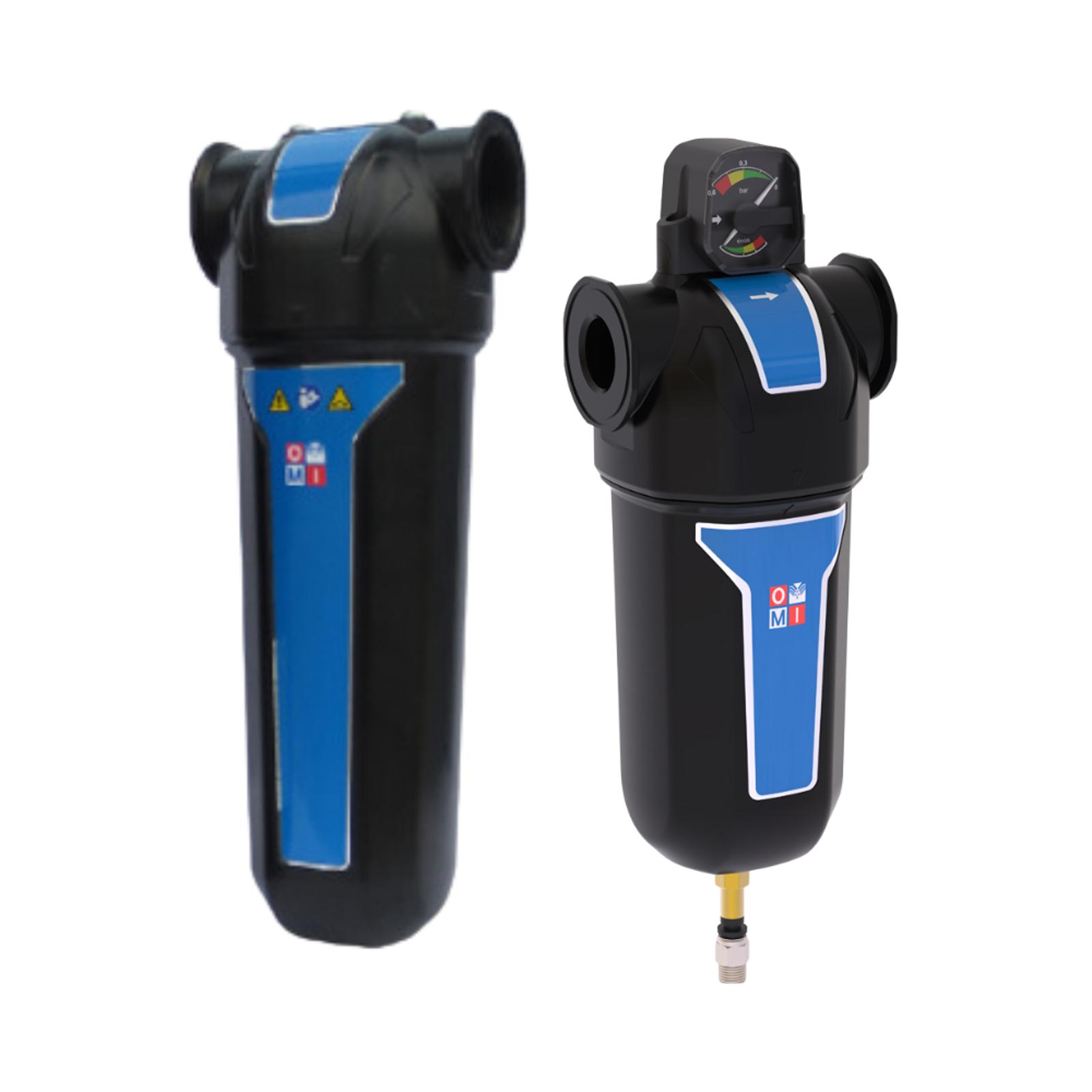
OMI’s compressed air filters are engineered for high‑efficiency contaminant removal across demanding industrial applications. Select from F‑Series coalescing filters for oil aerosols and fine particulates, Alps Series filters for high‑efficiency particulate removal with low pressure drop, and Heavy Duty filters for harsh environments and elevated contamination loads; complement your setup with  filters accessories for reliable drains, indicators, and service parts to sustain long‑term performance.

Compressed Air Filters Products

OMI Sterile filters thumbnail EN.png

Sterile Compressed Air Filters

Explore OMI's Sterile Compressed Air Filters, perfect for the food, chemical, and pharmaceutical industries. With advanced filtration and a durable design, they guarantee aseptic air delivery. Air flow rates range from 42 to 2880 Sm³/h.
F Series Filters 1.jpg

F Series Filters: Reliable Compressed Air Filtration

Upgrade your air treatment with OMI Italy’s F Series filters, offering cutting-edge filtration technology tailored to meet diverse industrial demands.
filters-af30-af2700.png

AF 30 - AF 2700 | Alps Series Filters | OMI

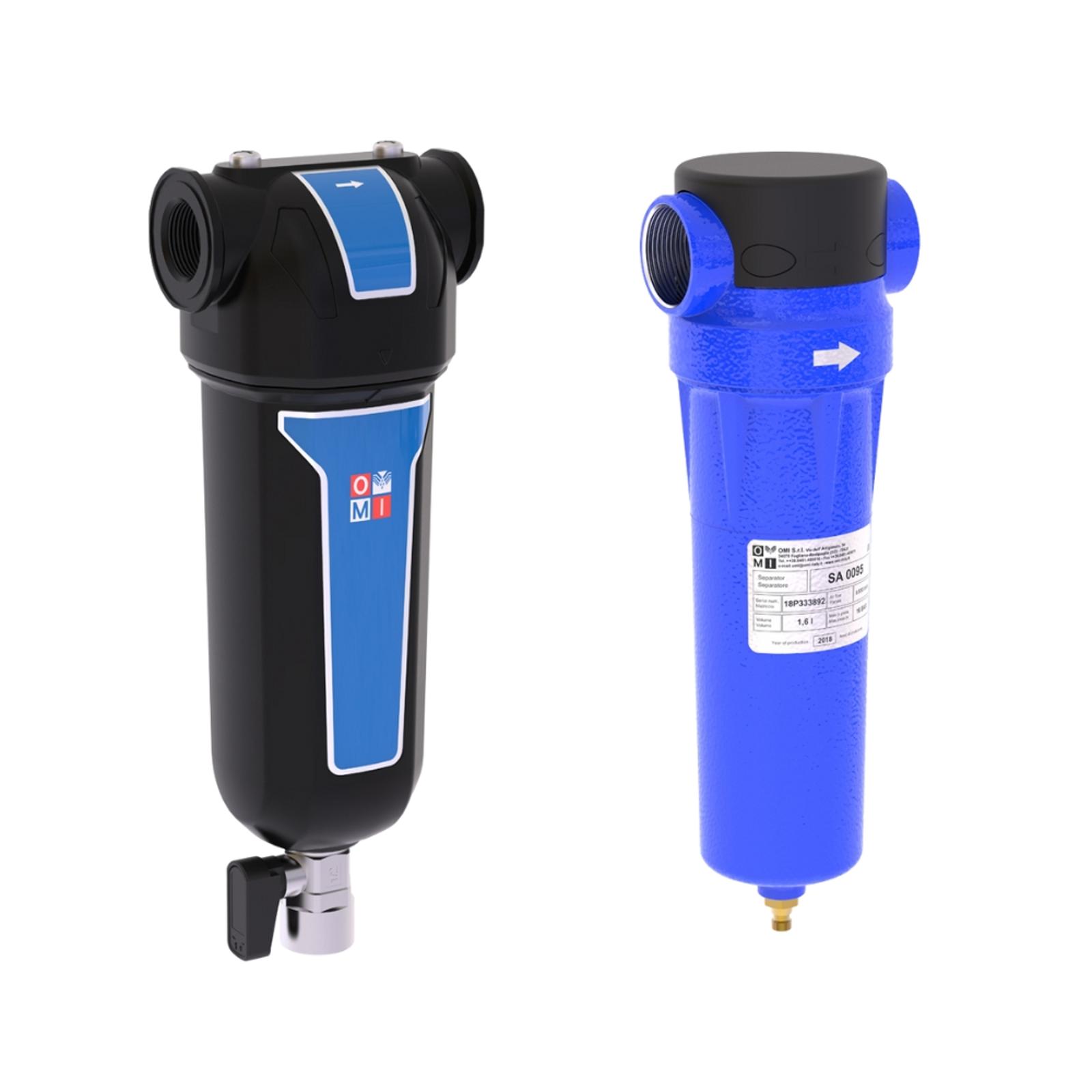
New series of die-cast aluminum filters characterized by innovative solutions currently under consideration for a patent.
Heavy Duty Series Filters 1.jpg

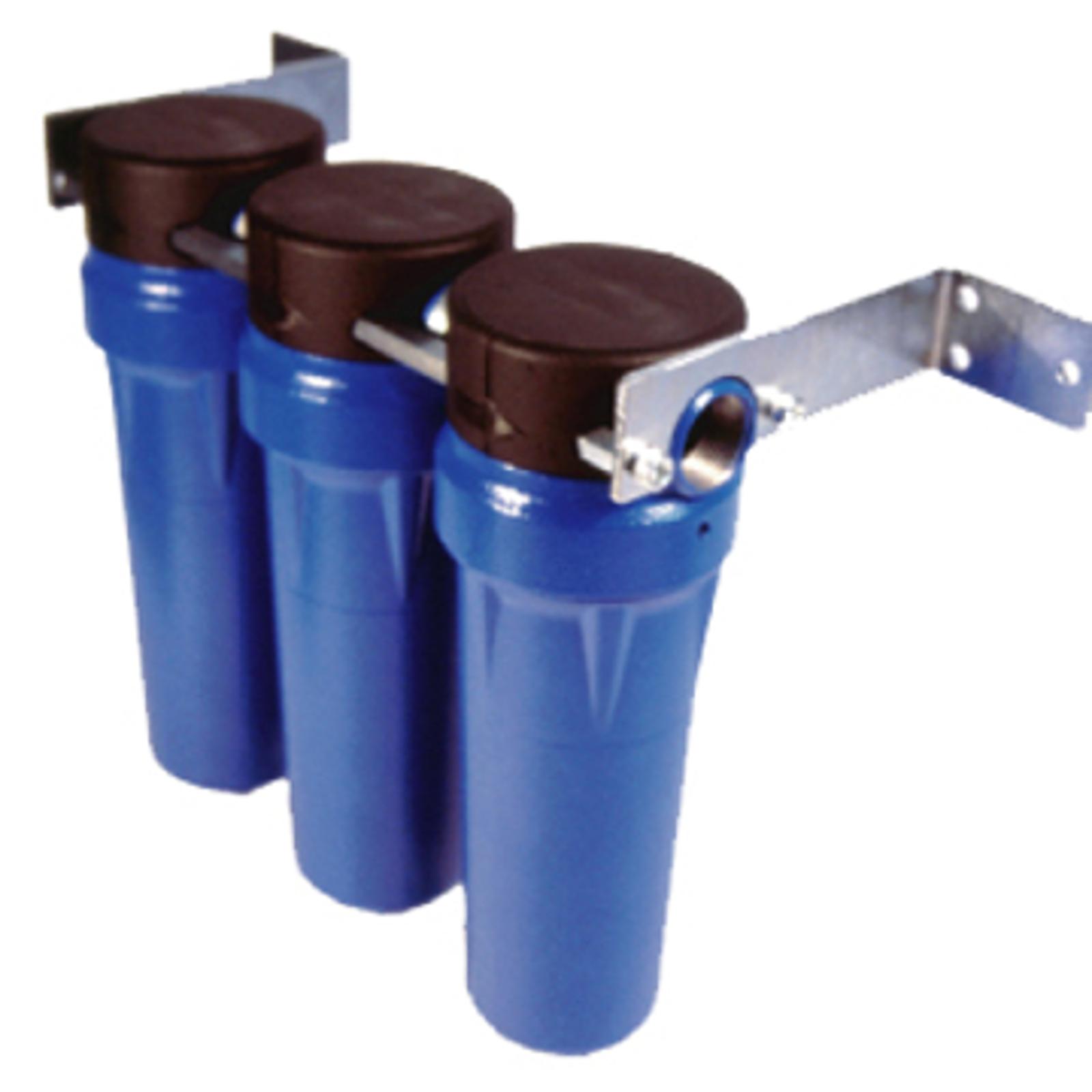
Heavy Duty Air Filters: High Pressure High Temperature

OMI Italy’s heavy-duty filters provide robust and reliable performance, ideal for challenging industrial environments requiring superior air quality.
filter-accessories-connectionsforfilters.png

Filters Accessories

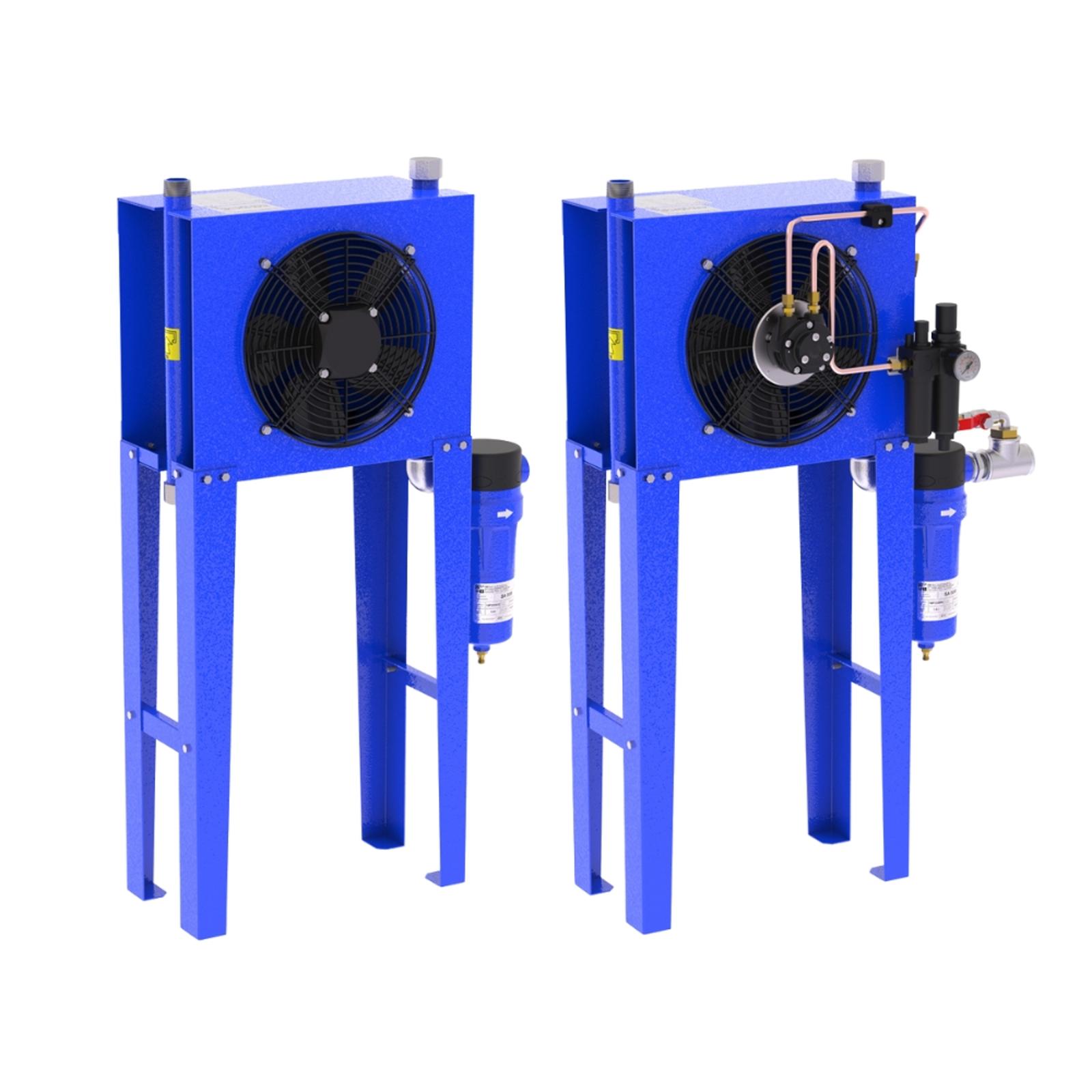
Optimize your filtration systems with accessories from OMI Italy, enhancing efficiency and reliability of your industrial filters.


Combined with compressed airdryers, compressed air filters are a shield that stands between your system and potential clogs or damage. By clearing the air stream, filters help your equipment run smoothly and reduce the risk of downtime. Compressed air filtration is necessary in various industries that require compressed air, such food processing, industrial manufacturing, automotive, pharmaceutical and chemical and many other. Browse our product range to find the perfect filtration solution for your compressed air systems. 


The Lurking Threat - Why Compressed Air Filters Matter?

The contamination of compressed air systems is caused by both internal system dynamics and external environmental factors. You need a compressed air filter you can rely on to keep the contamination threat at bay. OMI offers an extensive range of filters that remove contamination from your airstream and protect critical processes.

The Dangers of Unfiltered Air

If you don’t remove contaminants from your compressed air, both your equipment and processes will suffer. Contaminants such as moisture, dust, dirt, and oil can compromise the performance and longevity of your pneumatic system:

  • Moisture leads to corrosion and damages sensitive components 
  • Particles clog valves, hoses, and other critical passages, blocking the flow of air and fluids
  • Oil aerosols can coat surfaces, affecting performance and causing malfunctions

These contaminants reduce system efficiency, increase energy consumption, and exacerbate the risk of breakdowns and maintenance issues. Compromised product quality may lead to costly recalls, and even regulatory violations. The bottom line is that poor-quality compressed air undermines a business’s reliability, productivity, and its financial performance.

Don’t take that risk. Look into OMI’s range of industry-proven compressed air filters.

Key Benefits of OMI's Compressed Air Filters

Exceptional Performance 

OMI’s advanced compressed air filters reduce contamination in your airstream to protect your critical processes and valuable equipment. Designed with care and rigorously tested, they provide years of reliable performance and high-quality air.


Versatility

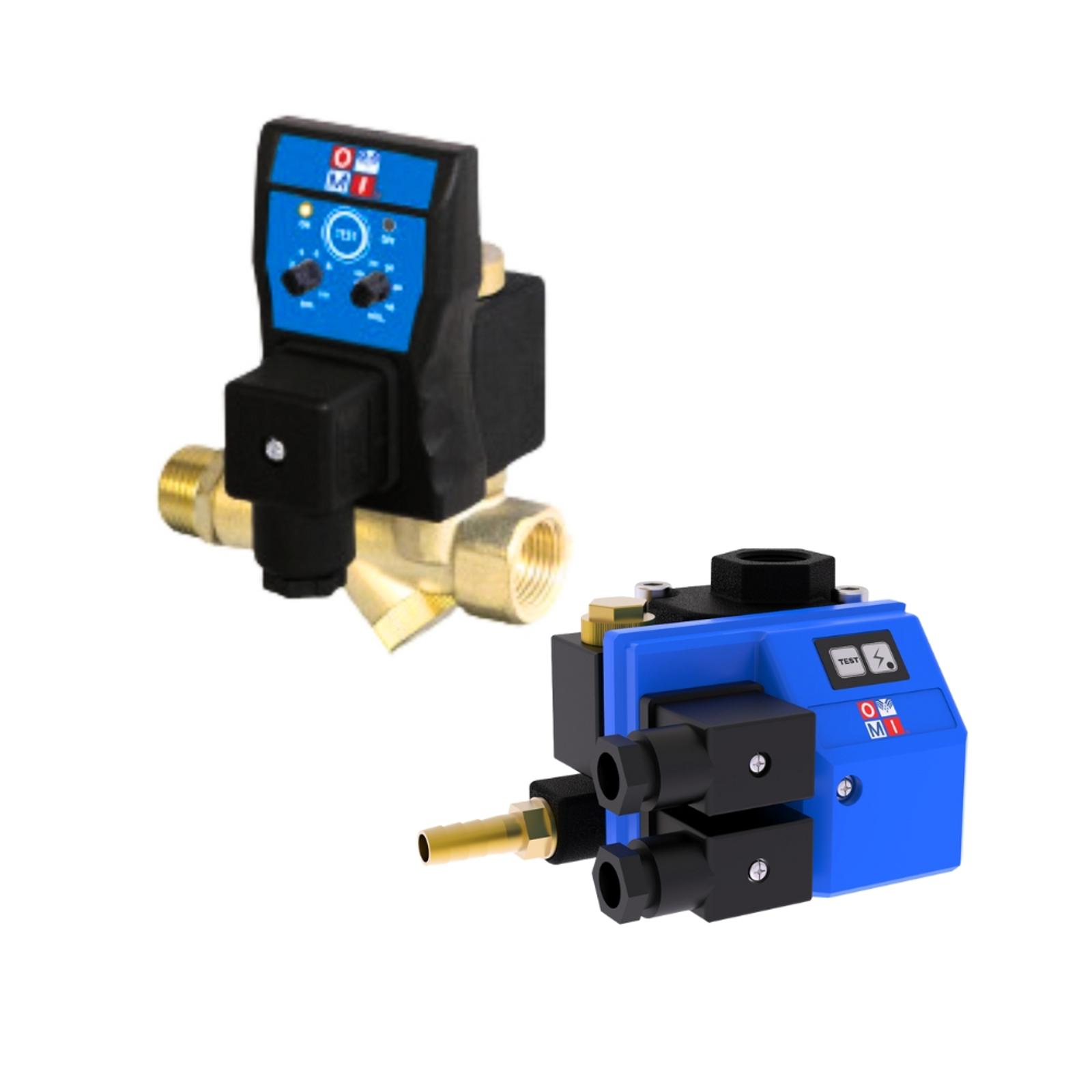
Our customers can adjust their filter setup based on their specific needs thanks to a wide range of accessories. These include a differential pressure gauge, differential pressure indicator, automatic drain, connections, and wall supports. Their quick and easy installation ensures seamless integration with your compressed air system.


Longevity

We used die-cast aluminum and carbon steel to built our compressed air filters. High-quality materials combined with lower pressure mean less stress on the equipment, including the compressor and downstream components. This ensures durability and longevity of the filters every step of the way.


Protection

Without effective filtration, products and processes that depend on compressed air are subject to increased scrap, poor quality and additional maintenance. OMI filters address these issues, helping to assure your compressed air system delivers clean, high-quality air throughout your facility.

Compressed Air Filtration Grades

Every compressed air system has unique filtration requirements. OMI’s compressed air filters are available in four different filtration grades to provide a range of filtration solutions for critical compressed air processes:

  • QF: Pre-filters suitable for the removal of solid particles down to 1 micron including liquids, emulsions and oil particles. It is the ideal initial protection of a compressed air system to retain impurities. It is also suitable as a post-filter for adsorption dryers. 
  • PF-HF: Interception type filters suitable for solid and oil particles up to 0,01 micron - 0,01 mg/m³ (HF). By means of the impact, interception and coalescing principles, these filters make liquid particles collide. As a result, they become larger and drip to the bottom of the filter housing.
  • CF: Intended for the removal of oil vapors and odors. Through the adsorption process, the activated carbon filter attracts all odors and vapors. What’s left after desoiling stays on the surface of the activated carbon grain molecules. 

Choosing the Right Compressed Air Filter

You can’t choose just any filter for your compressed airstream, if you’re looking for high-quality compressed air. You have to look carefully at your application and analyze its requirements to fully understand what will be best for you. 

Different types of compressed air need different filters. For instance, you may need a particulate filter to remove dust and dirt from your air stream. In the case of water droplets or oil particles, a coalescing filter will be a better way to go. Here are some tips to help you make the best choice:


Contaminant Type

Learn what kinds of contaminants are common in your environment. Each contaminant group will be best addressed by a different filter.


Filtration Efficiency

Consider the filtration efficiency required for your application. Choose a compressed air filter with an efficiency grading that matches the particle size you need to eliminate.


Flow Rate

Determine the required volume of compressed air to meet your application demands. Select a filter that can handle the expected flow rate without causing excessive pressure drops


Air Quality Requirements

Consider the quality of compressed air needed for your process. Certain industries, like pharma or electronics, need extremely high air purity levels that only specialized filters can deliver.


Compatibility

Ensure the filter is compatible with your existing system without requiring any major changes.


Cost-Effectiveness

Balance the upfront cost of the compressed air filter with its long-term benefits. Consider factors like energy savings, reduced maintenance, and increased equipment lifespan.

A Compressed Air Filtration Partner You Can Lean On

You can’t go wrong with a reputable supplier, like OMI. Opt for filters from a trustworthy partner with a proven track record in compressed air treatment projects. If you’re hesitating about picking the right compressed air filter, just let us know. We can make sure you won’t regret your decision.

A Solution That Pays Off

OMI has highly skilled technicians who use the most advanced technologies to design the solutions we offer. We relied on their engineering talent to strike a balance between air quality, energy efficiency and the total cost of ownership. Our compressed air filters deliver clean and dry air that protects your compressed air system while reducing maintenance costs and ensuring product quality.

REACH OUT TO US

We're here to help. Please choose one of the options below to get in touch with us!

Selecting the right filter starts with understanding your contamination profile and the air quality required by your application. Coalescing filters are designed to remove oil aerosols and fine particles, particulate filters capture dust and solid impurities, and activated carbon filters eliminate oil vapors to ensure high-purity, odor‑critical air. Most systems benefit from a staged filtration approach, where coarse pre‑filtration, fine coalescing stages, and activated carbon elements are combined to deliver optimal performance with balanced pressure drop and energy efficiency.

Differential pressure (Δp) is the most direct indicator of a filter’s condition: it measures the resistance encountered by the air as it passes through the filter element. As contaminants accumulate, pressure drop increases, causing the compressor to consume more energy to maintain system pressure. Keeping Δp within recommended limits is essential—not only for ensuring proper filtration efficiency but also for preventing unnecessary energy costs and maintaining consistent air flow across varying load conditions.

Filter elements must be replaced based on a combination of manufacturer recommendations, actual system operating conditions, and differential pressure readings. High humidity, heavy contamination, and temperature fluctuations can all accelerate saturation. Replacing elements proactively—before pressure drop reaches critical levels—ensures stable air quality, maintains ISO compliance, and protects dryers, valves, and precision instrumentation from accelerated wear or contamination-related failures.

No. Filters and dryers perform complementary functions: filters remove solid particles, aerosols, and vapors, while dryers extract moisture to achieve a stable pressure dew point. Even the most efficient filter cannot prevent condensation or corrosion risks associated with water in the line. A complete, high‑performance treatment line always includes both filtration and drying stages to ensure reliable, ISO‑compliant compressed air quality.

Micron rating indicates the size of contaminants targeted by the filter media, but actual performance is defined by the certified capture efficiency at that size. High-quality filters maintain stable efficiency across variable flow, pressure, and temperature conditions, ensuring predictable removal of particulates and aerosols. When matched to the correct ISO 8573‑1 class and supported by staged filtration, micron rating becomes a reliable measure of downstream air purity and system protection.

A high‑quality compressed air filter combines a corrosion‑resistant housing, optimized internal flow paths, and high‑efficiency filter media designed for maximum surface area and low turbulence. Modern coalescing elements use deep‑bed borosilicate or multi‑layer synthetic fibers engineered to provide superior retention with minimal pressure drop. Additional features—such as differential pressure indicators, robust sealing, and reliable condensate drains—ensure long-term durability and simplified maintenance.

Correct placement is essential for performance and longevity. Pre‑filters should be installed upstream of the dryer to capture liquids and aerosols that would otherwise overload the dryer’s heat exchanger, while post‑filters downstream from the dryer refine residual particulates or oil traces. Activated carbon filters should be placed close to the point of use to ensure maximum vapor adsorption efficiency. A well‑structured filtration layout improves system stability, reduces maintenance, and guarantees consistent air quality throughout the network.

Temperature and pressure directly influence filtration behavior: higher temperatures can decrease vapor adsorption in carbon filters, while changes in pressure alter air density and modify the effective flow rate through the filter. Correctly sizing the filter—adjusting for real operating conditions rather than nominal ratings—ensures that the element can maintain its rated efficiency without excessive pressure drop or reduced service life. Considering peak load conditions is essential for stable long-term performance.

Condensate must be reliably removed from the filter housing to prevent liquid accumulation, which can cause re‑entrainment, pressure drop spikes, and contamination downstream. High‑quality automatic drains, sized appropriately for the filter’s capacity, ensure that separated liquids are discharged consistently without manual intervention. Integrated condensate management maintains filtration efficiency, protects sensitive equipment, and supports compliance with environmental and operational safety standards.

Meeting ISO 8573‑1 standards requires properly selected filter stages matched to the target class for particles, moisture, and oil content. Compliance should be verified through periodic monitoring, combining dew point measurement, oil content analysis, and particle counting. When supported by a preventive maintenance schedule and routine element replacements, a correctly engineered filtration setup provides stable, repeatable ISO-class performance at the point of use.